5 minutes
UChat
Posted by
7 Re:amaze Alternatives in 2026: Ecommerce Helpdesk or Automation?
5 minutes
Posted by
UChat

Quick answer: UChat is a Re:amaze alternative for teams that want to automate the full customer journey across channels. Gorgias fits Shopify-heavy support, Zendesk fits mature service operations, Intercom fits SaaS support, Freshdesk fits a conventional help desk, Help Scout fits simpler human support, and Kustomer fits enterprise customer-data operations.
Re:amaze remains a good option when an ecommerce-friendly shared inbox, chat, FAQ, status page and team workflow should stay in one approachable service product.
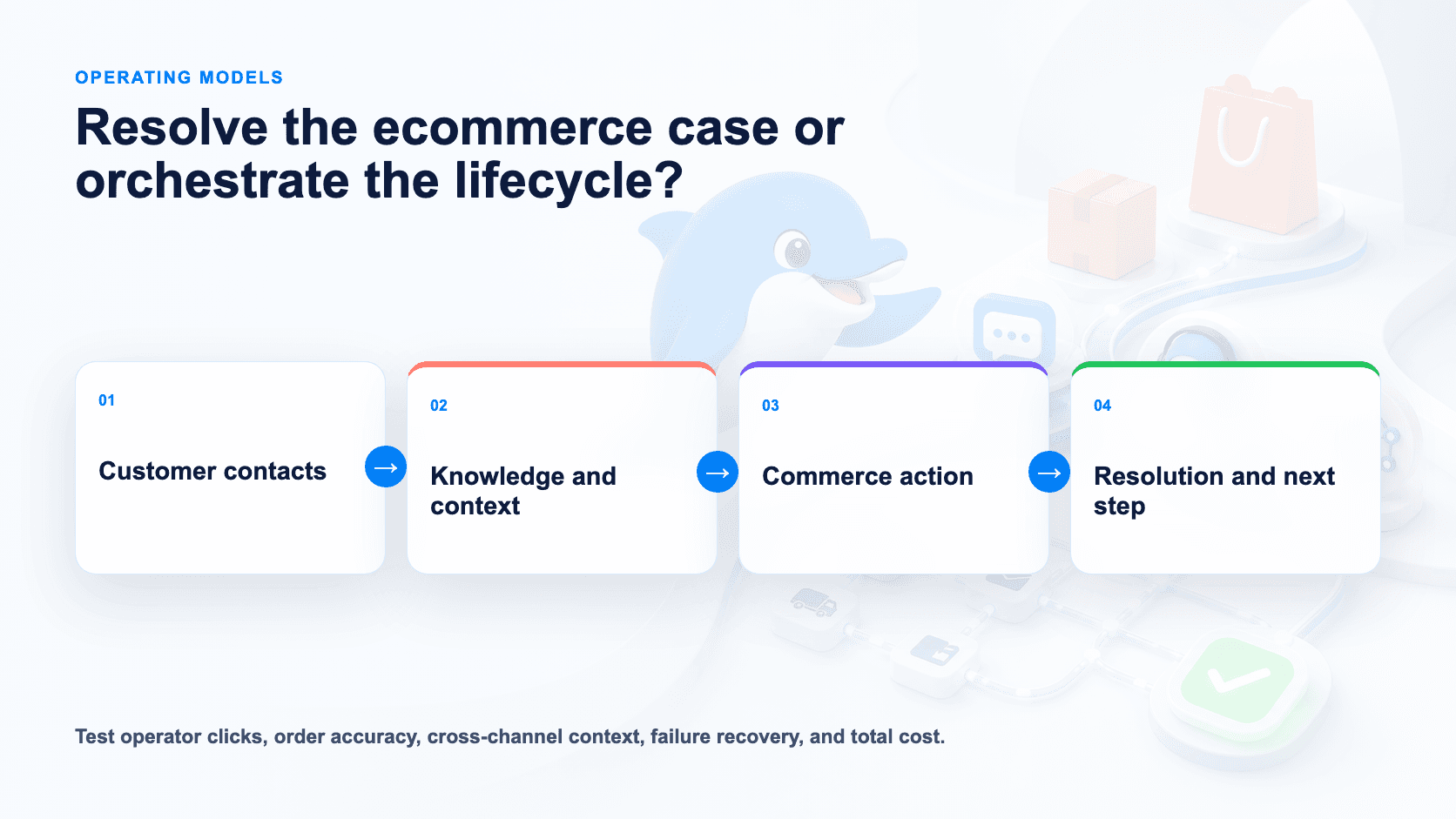
Bottom line: Choose the operating model before the feature checklist. A service desk, a messaging inbox and a visual automation platform can overlap without being interchangeable.
Re:amaze Alternatives At A Glance
Alternative | Right for whom | Published model | Important tradeoff |
|---|---|---|---|
UChat | teams automating journeys across channels | A helpdesk-first team must test the exact inbox and reporting workflow. | |
Gorgias | Shopify-centered ecommerce support | Ticket and automation volume influence completed cost. | |
Zendesk | service organizations needing mature controls | The added depth brings a more complex commercial and operational model. | |
Intercom | SaaS companies using in-product messaging | It can be more platform than a smaller ecommerce support team needs. | |
Freshdesk | teams wanting straightforward ticketing | Omnichannel and AI needs may require additional Freshworks packaging. | |
Help Scout | small human-support teams | It is less suited to complex cross-channel journey orchestration. | |
Kustomer | enterprise teams unifying service and customer data | It is a heavier sales-led implementation than Re:amaze. |
Why Buyers Look For Re:amaze Alternatives
Re:amaze packages email inboxes, live chat, social channels, FAQ, workflows, chatbots and AI into per-team-member plans, with a flat Starter option for limited response volume. Buyers compare alternatives when ecommerce depth, enterprise governance, visual automation, customer-data architecture or a different cost unit matters more than Re:amaze's compact all-in-one service model.
Re:amaze pricing currently lists Basic at $29, Pro at $49 and Plus at $69 per team member monthly, with annual discounts. Its flat $59 Starter option is limited to 500 responded conversations, and AI Agent overages are priced per additional resolution.
The useful comparison is a real workflow, not a feature-count contest. Price the same channels, people, AI workload, automation actions, data retention and support requirements across every finalist.
1. UChat
Best fit: teams automating journeys across channels.
UChat combines AI Agents, a visual Flow Builder, external actions, live handoff and channel automation. It fits when support is connected to acquisition, qualification, booking, payment or follow-up.
Tradeoff: A helpdesk-first team must test the exact inbox and reporting workflow.
2. Gorgias
Best fit: Shopify-centered ecommerce support.
Gorgias is the sharper ecommerce alternative when agents need order history, refunds and store actions inside the support workflow.
Tradeoff: Ticket and automation volume influence completed cost.
3. Zendesk
Best fit: service organizations needing mature controls.
Zendesk provides deeper routing, analytics, knowledge, voice and enterprise administration.
Tradeoff: The added depth brings a more complex commercial and operational model.
4. Intercom
Best fit: SaaS companies using in-product messaging.
Intercom combines Messenger, tickets, knowledge and Fin with SaaS engagement workflows.
Tradeoff: It can be more platform than a smaller ecommerce support team needs.
5. Freshdesk
Best fit: teams wanting straightforward ticketing.
Freshdesk is a familiar help-desk alternative with email ticketing, automations, self-service and reporting.
Tradeoff: Omnichannel and AI needs may require additional Freshworks packaging.
6. Help Scout
Best fit: small human-support teams.
Help Scout focuses on a clean inbox and knowledge experience. It may be the more direct route when simplicity and human support are the main goals.
Tradeoff: It is less suited to complex cross-channel journey orchestration.
7. Kustomer
Best fit: enterprise teams unifying service and customer data.
Kustomer fits larger operations that need customer profiles, custom objects, routing, AI and omnichannel service in one environment.
Tradeoff: It is a heavier sales-led implementation than Re:amaze.
How To Choose The Right Re:amaze Alternative
Choose Re:amaze for a compact ecommerce helpdesk with chat and FAQ.
Choose UChat when the conversation must drive a multi-step business journey or be packaged for clients.
Choose Gorgias for deeper Shopify-centered operator workflows.
Choose Help Scout for a smaller, email-led human support team.
Choose Zendesk or Kustomer when enterprise service controls and data architecture dominate.
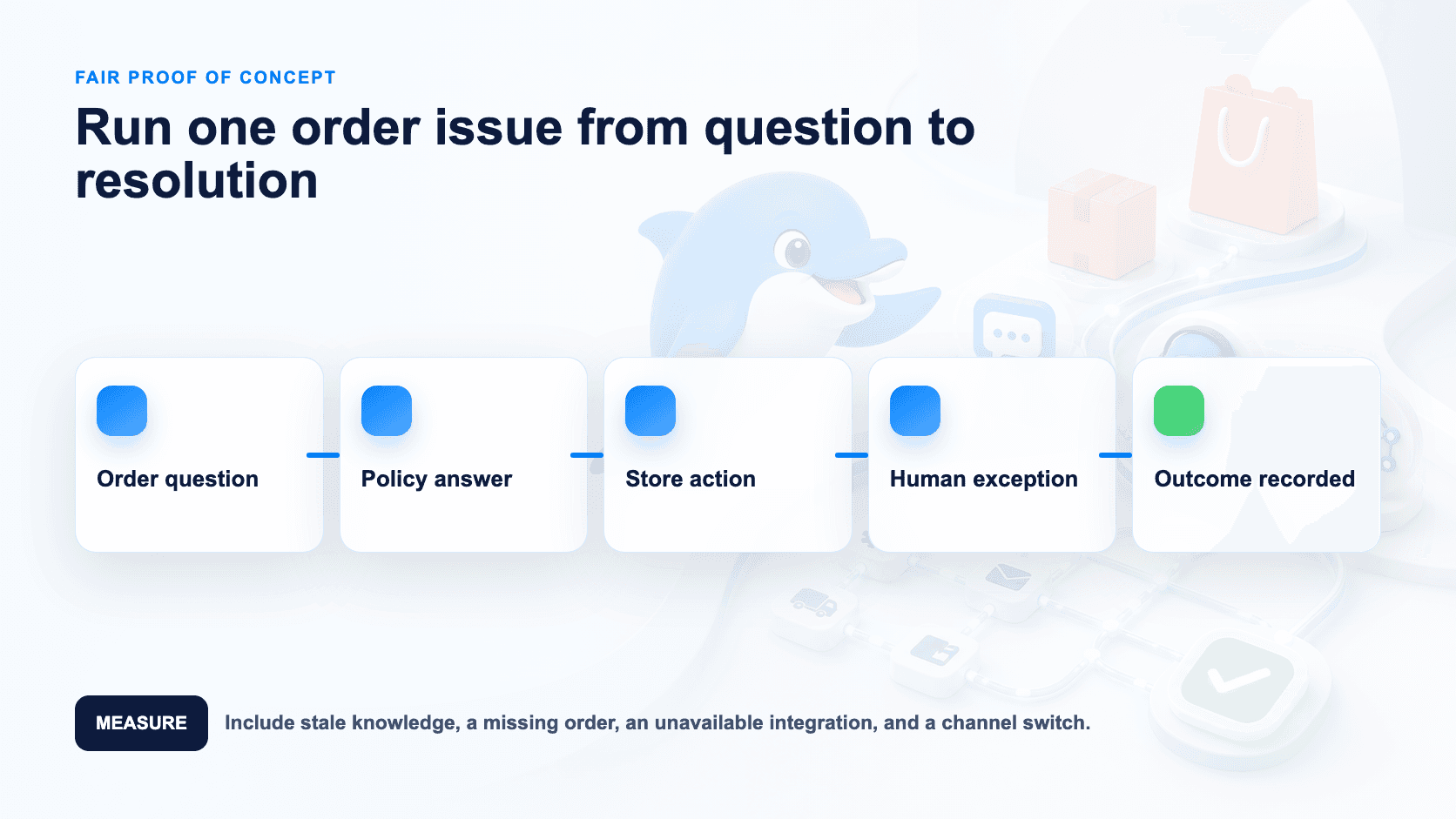
Proof before migration: Run one representative customer journey from first message through data lookup, operator handoff, business action, follow-up and reporting. A polished demo is not evidence that the production workflow fits.
Frequently Asked Questions
How much does Re:amaze cost?
Current monthly plans list Basic at $29, Pro at $49 and Plus at $69 per team member; annual billing is discounted. Its Starter plan is a flat $59 monthly with a response limit.
Does Re:amaze include AI?
Its pricing page lists Re:amaze AI Agent allowances by plan, with an additional per-resolution charge after the included amount.
Can UChat replace Re:amaze?
Potentially for journey automation and handoff, but prove inbox queues, FAQ, reporting, ecommerce context and operator actions first.
Which alternative fits an agency?
UChat Partner is built around branded client workspaces, custom plan pricing, billing and repeatable delivery.
Try UChat
Start a 14-day UChat trial with access to Pro features and no credit card required. Agencies evaluating branded client delivery can book a Partner Plan demo.
Sources
Pricing and packaging were reviewed on 2026-08-31. Verify current terms before purchasing.
Quick answer: UChat is a Re:amaze alternative for teams that want to automate the full customer journey across channels. Gorgias fits Shopify-heavy support, Zendesk fits mature service operations, Intercom fits SaaS support, Freshdesk fits a conventional help desk, Help Scout fits simpler human support, and Kustomer fits enterprise customer-data operations.
Re:amaze remains a good option when an ecommerce-friendly shared inbox, chat, FAQ, status page and team workflow should stay in one approachable service product.
Bottom line: Choose the operating model before the feature checklist. A service desk, a messaging inbox and a visual automation platform can overlap without being interchangeable.
Re:amaze Alternatives At A Glance
Alternative | Right for whom | Published model | Important tradeoff |
|---|---|---|---|
UChat | teams automating journeys across channels | A helpdesk-first team must test the exact inbox and reporting workflow. | |
Gorgias | Shopify-centered ecommerce support | Ticket and automation volume influence completed cost. | |
Zendesk | service organizations needing mature controls | The added depth brings a more complex commercial and operational model. | |
Intercom | SaaS companies using in-product messaging | It can be more platform than a smaller ecommerce support team needs. | |
Freshdesk | teams wanting straightforward ticketing | Omnichannel and AI needs may require additional Freshworks packaging. | |
Help Scout | small human-support teams | It is less suited to complex cross-channel journey orchestration. | |
Kustomer | enterprise teams unifying service and customer data | It is a heavier sales-led implementation than Re:amaze. |
Why Buyers Look For Re:amaze Alternatives
Re:amaze packages email inboxes, live chat, social channels, FAQ, workflows, chatbots and AI into per-team-member plans, with a flat Starter option for limited response volume. Buyers compare alternatives when ecommerce depth, enterprise governance, visual automation, customer-data architecture or a different cost unit matters more than Re:amaze's compact all-in-one service model.
Re:amaze pricing currently lists Basic at $29, Pro at $49 and Plus at $69 per team member monthly, with annual discounts. Its flat $59 Starter option is limited to 500 responded conversations, and AI Agent overages are priced per additional resolution.
The useful comparison is a real workflow, not a feature-count contest. Price the same channels, people, AI workload, automation actions, data retention and support requirements across every finalist.
1. UChat
Best fit: teams automating journeys across channels.
UChat combines AI Agents, a visual Flow Builder, external actions, live handoff and channel automation. It fits when support is connected to acquisition, qualification, booking, payment or follow-up.
Tradeoff: A helpdesk-first team must test the exact inbox and reporting workflow.
2. Gorgias
Best fit: Shopify-centered ecommerce support.
Gorgias is the sharper ecommerce alternative when agents need order history, refunds and store actions inside the support workflow.
Tradeoff: Ticket and automation volume influence completed cost.
3. Zendesk
Best fit: service organizations needing mature controls.
Zendesk provides deeper routing, analytics, knowledge, voice and enterprise administration.
Tradeoff: The added depth brings a more complex commercial and operational model.
4. Intercom
Best fit: SaaS companies using in-product messaging.
Intercom combines Messenger, tickets, knowledge and Fin with SaaS engagement workflows.
Tradeoff: It can be more platform than a smaller ecommerce support team needs.
5. Freshdesk
Best fit: teams wanting straightforward ticketing.
Freshdesk is a familiar help-desk alternative with email ticketing, automations, self-service and reporting.
Tradeoff: Omnichannel and AI needs may require additional Freshworks packaging.
6. Help Scout
Best fit: small human-support teams.
Help Scout focuses on a clean inbox and knowledge experience. It may be the more direct route when simplicity and human support are the main goals.
Tradeoff: It is less suited to complex cross-channel journey orchestration.
7. Kustomer
Best fit: enterprise teams unifying service and customer data.
Kustomer fits larger operations that need customer profiles, custom objects, routing, AI and omnichannel service in one environment.
Tradeoff: It is a heavier sales-led implementation than Re:amaze.
How To Choose The Right Re:amaze Alternative
Choose Re:amaze for a compact ecommerce helpdesk with chat and FAQ.
Choose UChat when the conversation must drive a multi-step business journey or be packaged for clients.
Choose Gorgias for deeper Shopify-centered operator workflows.
Choose Help Scout for a smaller, email-led human support team.
Choose Zendesk or Kustomer when enterprise service controls and data architecture dominate.
Proof before migration: Run one representative customer journey from first message through data lookup, operator handoff, business action, follow-up and reporting. A polished demo is not evidence that the production workflow fits.
Frequently Asked Questions
How much does Re:amaze cost?
Current monthly plans list Basic at $29, Pro at $49 and Plus at $69 per team member; annual billing is discounted. Its Starter plan is a flat $59 monthly with a response limit.
Does Re:amaze include AI?
Its pricing page lists Re:amaze AI Agent allowances by plan, with an additional per-resolution charge after the included amount.
Can UChat replace Re:amaze?
Potentially for journey automation and handoff, but prove inbox queues, FAQ, reporting, ecommerce context and operator actions first.
Which alternative fits an agency?
UChat Partner is built around branded client workspaces, custom plan pricing, billing and repeatable delivery.
Try UChat
Start a 14-day UChat trial with access to Pro features and no credit card required. Agencies evaluating branded client delivery can book a Partner Plan demo.
Sources
Pricing and packaging were reviewed on 2026-08-31. Verify current terms before purchasing.